
Haze in Malaysia: What Each API Level Means and What to Do
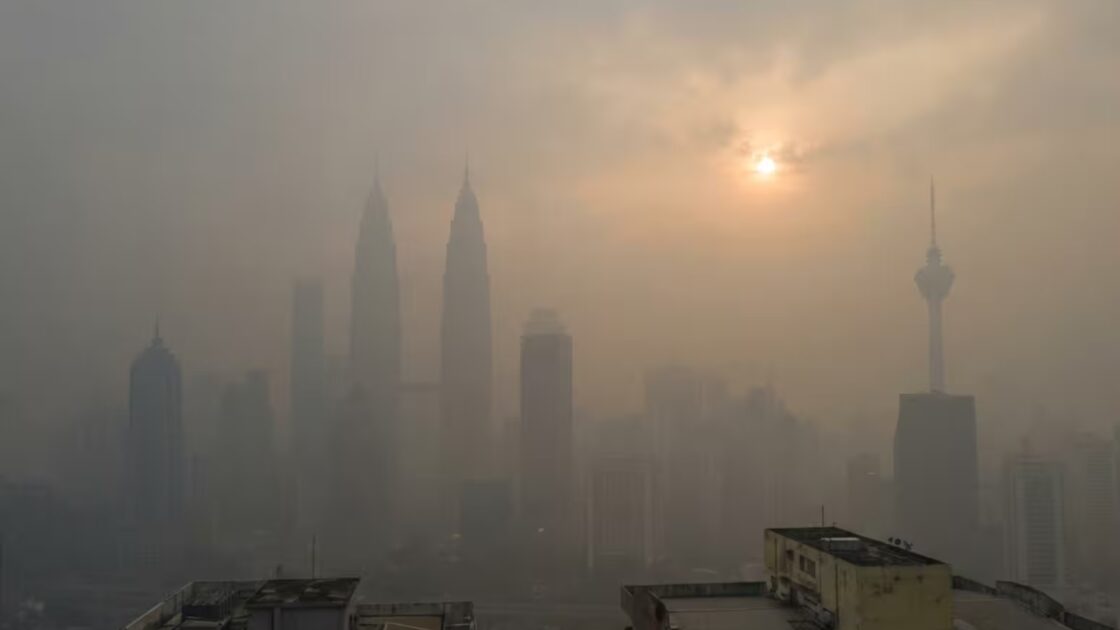
When the haze returns, most people check one number: the API. An API of 172 is not just a headline. It tells you whether a jog, a school sports day, or a walk with the kids is a bad idea. This guide explains each band, what it tends to do to the body, and what to do if symptoms start.
Where the API stood on 30 September 2026
At 10am on 30 September 2026, Department of Environment readings put at least 32 areas in the unhealthy band. The Klang Valley was in the middle of it. The highest readings included:
- Johan Setia, Selangor: 175
- Cheras, Kuala Lumpur: 172
- Nilai: 170
- Shah Alam: 170
- Pasir Gudang: 168
- Batu Muda: 166
- Putrajaya: 164
- Pelabuhan Klang: 163
- Petaling Jaya: 161
All of those sit in the 101 to 200 unhealthy band. At that level, people in higher-risk groups usually feel it, and everyone else should ease off hard outdoor exercise. Readings move through the day, so check the station nearest you before you go out.
What the API is
API means Air Pollutant Index. The Department of Environment measures six pollutants, turns each one into a score, and publishes the highest score as the API. It is not a sum of every pollutant.
The six are fine particles (PM2.5 and PM10), ozone, carbon monoxide, sulphur dioxide, and nitrogen dioxide. In haze season the number is usually set by PM2.5, particles small enough to reach deep into the lungs and enter the bloodstream. A higher API means more of that in the air you are breathing.
Each API band
0 to 50: Good
Little or no risk for the general public. Outdoor exercise, open windows, and time in the park are fine.
51 to 100: Moderate
Acceptable for almost everyone. A small number of unusually sensitive people, such as those with severe asthma, may notice mild effects. No general restrictions. If you are highly sensitive, pay attention to how you feel.
101 to 200: Unhealthy
This is the band most of the Klang Valley was in on 30 September. Children, older adults, pregnant women, and people with asthma, COPD, or heart disease are more likely to get itchy eyes, a scratchy throat, coughing, or a heavy chest. Healthy adults may notice mild irritation, especially while exercising.
Higher-risk people should limit time outside. Everyone else should cut strenuous outdoor effort: skip the outdoor run and move hard workouts indoors. The Education Ministry has directed schools to suspend outdoor activities, including gatherings and outdoor sports, when the API exceeds 100. Keep windows shut. If you have to be outside for a while, use an N95 or KN95. A cloth or surgical mask does little against haze particles.
201 to 300: Very unhealthy
Effects spread beyond sensitive groups. Expect stronger coughing, breathlessness, headache, chest tightness, and watery eyes. Older adults and people with existing conditions should stay indoors and reduce physical activity. Anyone whose usual treatment is not controlling symptoms should see a doctor.
Schools may close once the API exceeds 200, but that is a decision for the principal or head, based on local conditions and advice from the state and district education offices. It is not an automatic nationwide shutdown. Use air-conditioning on recirculate, and run a purifier in the room where you spend the most time.
301 to 500: Hazardous
This level stresses the lungs and heart of healthy people as well as vulnerable ones. Serious symptoms and flare-ups of existing illness are more likely. Higher-risk groups should not be outdoors. Everyone else should avoid it. Keep windows sealed. Outdoor earthworks and heavy outdoor work usually stop, and drivers are told to use headlights because visibility falls. Get medical help if breathing becomes difficult.
Above 500: Emergency
Dangerous for everyone, regardless of age or health. Follow directions from the National Security Council. In past severe haze years, offices, schools, factories, and construction sites have closed except for essential services. This band is rare.
Symptoms that are common, and symptoms that are not
Haze irritates the eyes, nose, throat, and lungs. Common mild effects include:
- Itchy, watery, or red eyes
- A dry or scratchy throat, and a mild cough
- A runny or blocked nose, and sneezing
- A mild headache or tiredness
These often ease after rest in cleaner, filtered air. Drink water, stay indoors, and avoid smoking or anything else that adds irritation.
Do not wait if you or someone with you has any of these:
- Breathing difficulty, shortness of breath, or wheezing that does not settle
- Chest pain or tightness
- A cough that keeps worsening, or coughing up blood
- Dizziness, fainting, or a racing heartbeat
- An asthma or COPD flare that the usual inhaler is not controlling
People with asthma, heart disease, or lung disease should keep medication and inhalers nearby and use them as prescribed. Breathing trouble in a child, an older adult, or a pregnant woman should be treated early. Call a clinic or go to the nearest hospital if you are unsure. This is general information, not a substitute for medical advice.
How to reduce exposure
- Stay indoors when you can, especially from midday into the evening, when pollution is often higher. Keep windows and doors shut.
- Use an N95 or KN95 if you must be outside. Cloth and surgical masks do not filter PM2.5 well.
- Run a HEPA air purifier in the room you use most. Set the air-conditioner to recirculate so it is not pulling in outside air.
- Drink water, and move workouts indoors.
- Watch babies, older adults, pregnant women, and anyone with asthma or heart or lung disease first.
How to check your area
The colour of the sky is a poor guide. The official source is the Department of Environment’s APIMS (Air Pollutant Index Management System), which publishes hourly readings by station: eqms.doe.gov.my/APIMS. Apps such as IQAir and some weather apps also show live air quality, but the station name matters. Cheras and Petaling Jaya can differ on the same morning.
You might also like
 looptalk
Why JAKIM Is Investigating The Weeknd’s KL Concert
Table of Contents What triggered the investigation What they objected to How the approval system works, and why…
 looptalk
The Weeknd KL 2026: Full Event Guide & Show Schedule
Table of Contents Show Schedule: What Time Does The Weeknd Go On Stage? Operating Hours for On-Site Facilities…
 looptalk
My Chemical Romance Adds More Tickets for KL Shows
Table of Contents What's New? Concert Details Full Ticket Price List Why Do More Tickets Keep Dropping? Tips…