
10 Best Travel Card Malaysia 2026: Wise, GXBank & More Compared

Search for the best travel credit card in Malaysia and you’ll drown in air-miles cards, lounge passes and annual fees. But here’s what the banks won’t lead with: for most Malaysians, the single biggest saving on an overseas trip doesn’t come from collecting miles — it comes from killing the 1% to 3% foreign transaction markup that ordinary cards quietly charge on every swipe abroad.
That’s where multi-currency and fintech cards — Wise, GXBank, the Touch ‘n Go Visa card and friends — have quietly changed the game. They spend at close to the real exchange rate, often with little or no markup. In this guide we compare them head to head, show you exactly which suits which traveller, and tell you honestly when a traditional travel credit card is still the smarter pick.
Is there really a “best travel credit card” in Malaysia — or is a multi-currency card better?
It depends entirely on what you want out of the card. Break travellers into two camps:
- You spend a lot and fly often, and you chase rewards. A traditional travel credit card that earns air miles and throws in lounge access and travel insurance can genuinely pay for itself. This is the classic “best travel credit card” answer.
- You just want your money to go furthest overseas, with no hidden markup. A multi-currency or prepaid card wins here almost every time — you pay near the true exchange rate instead of donating 1% to 3% to the bank on each transaction.
For the majority of Malaysian travellers — the once or twice a year holidaymaker — the second camp saves more real ringgit. So that’s where we’ll focus, before circling back to when a credit card still makes sense.
Multi-currency card vs traditional travel credit card: which saves more?
Quick honest comparison of the two approaches on the things that matter:
| What matters | Traditional travel credit card | Multi-currency / prepaid card |
|---|---|---|
| Foreign exchange rate | Card network rate plus a 1%–3% markup on most cards | Near mid-market (real) rate, little or no markup |
| Rewards | Air miles, points, cashback — can be generous | Usually flat cashback or none; a few offer overseas cashback |
| Lounge access & travel insurance | Often included on premium cards | Rarely included |
| Overspending risk | You’re spending on credit — easy to overshoot | Prepaid: you can only spend what you load |
| Annual fee / eligibility | Annual fee and income requirements apply | Usually free or low-cost, open to almost anyone with MyKad |
| Best when | You spend big and value miles, lounges and insurance | You want the most spending power for the least fees |
The honest takeaway: they’re not really rivals — they’re a team. Many savvy travellers carry a multi-currency card for day-to-day overseas spending and keep a travel credit card for big-ticket bookings that earn miles or need insurance cover.
The best multi-currency & travel cards in Malaysia
1. Wise — best exchange rate and global reach
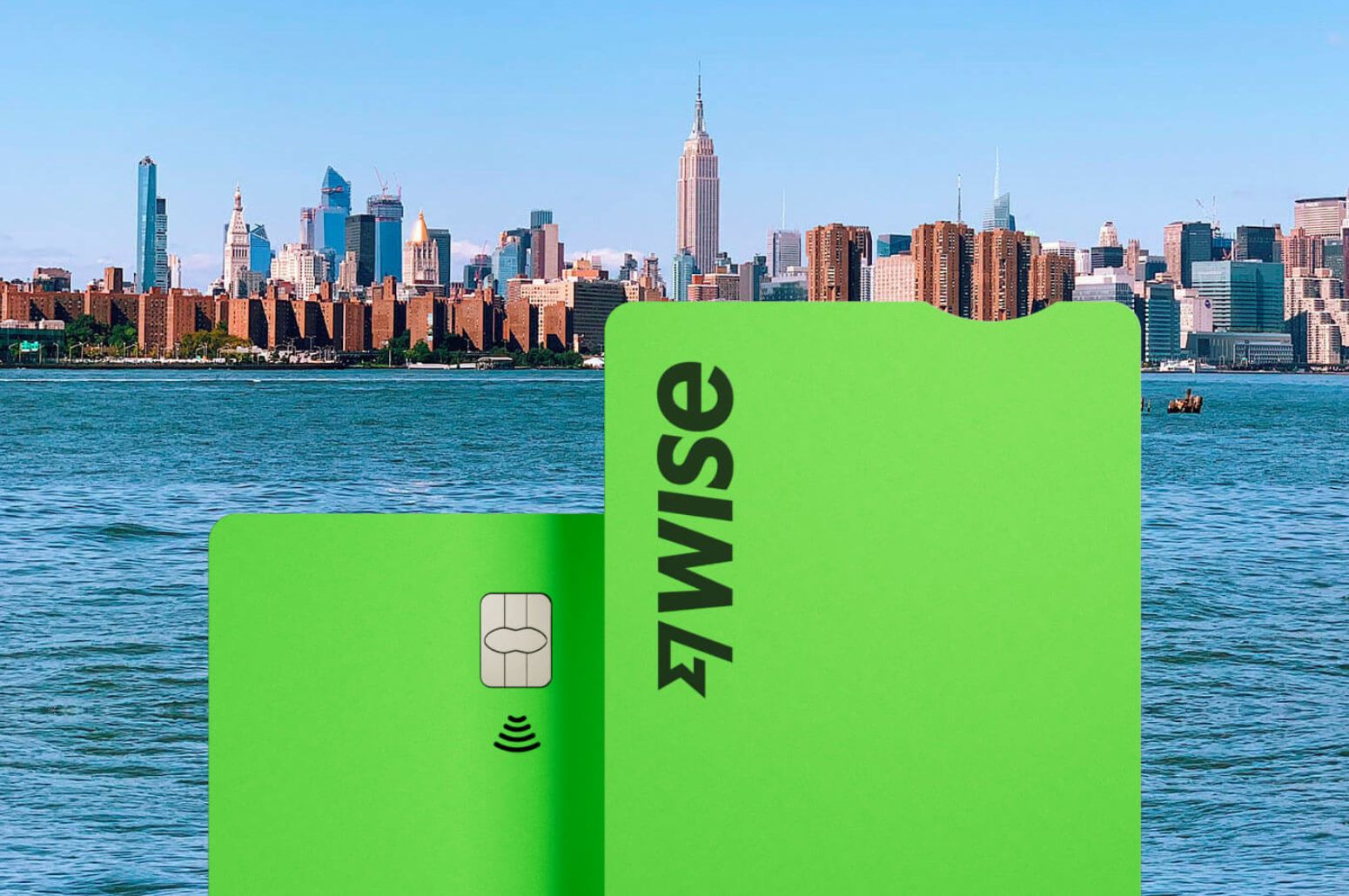
The benchmark for raw value. Wise is a debit card that lets you hold and exchange 40+ currencies at the mid-market rate — the real number you see on Google — with low, transparent fees and no marked-up exchange rate. You can lock in currencies before you fly and get a few fee-free ATM withdrawals a month. Setup is fully in-app with your MyKad.
App: Wise
Best for: Multi-country trips and anyone who wants the closest thing to the true exchange rate. Note: keep it to personal use — Wise flags that using a personal account for commercial transactions from Malaysia can breach BNM rules.
2. GXBank Card — best everyday-and-travel all-rounder
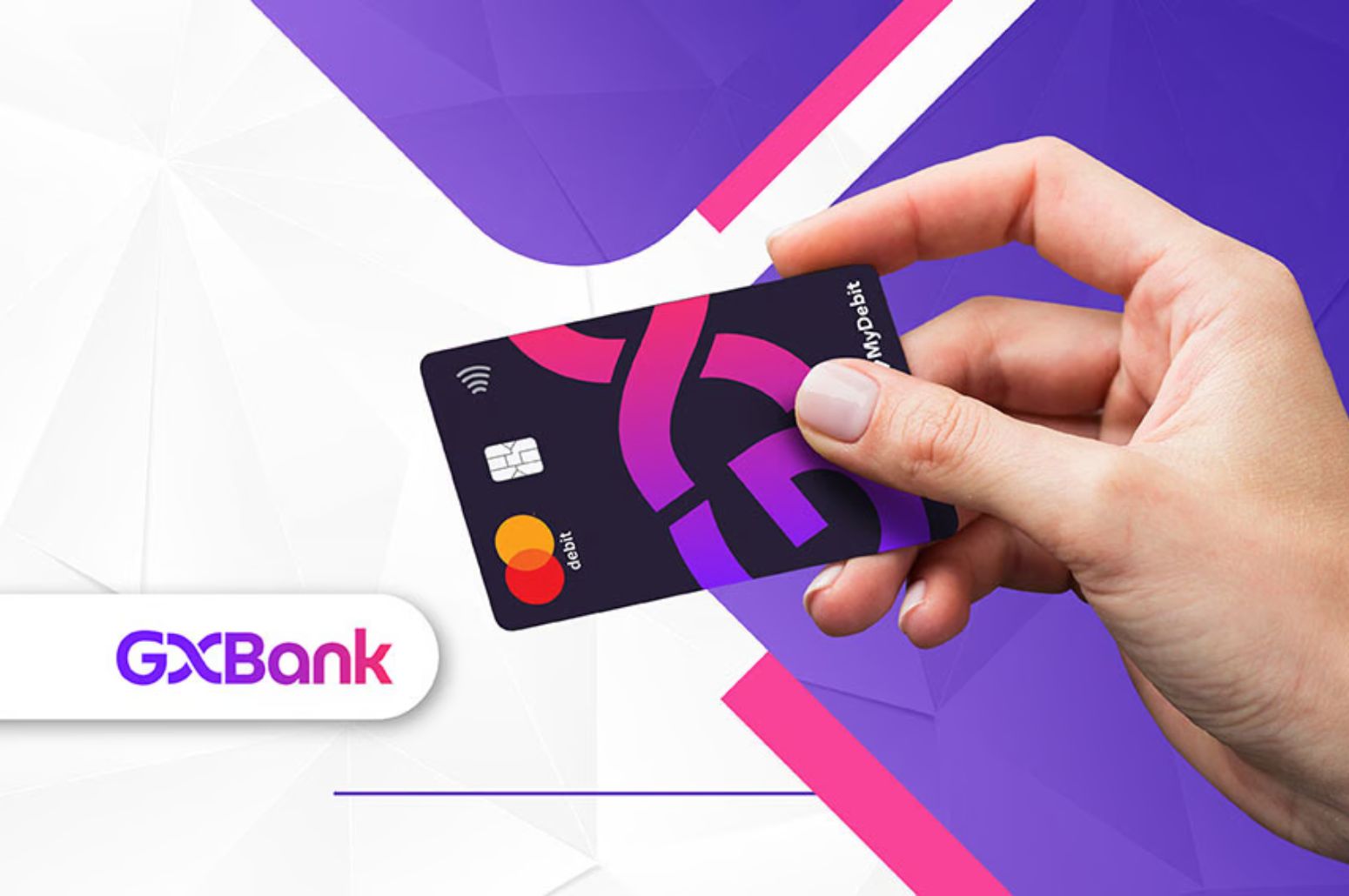
Malaysia’s first digital bank, backed by Grab and Singtel. The GX debit Mastercard spends at the real Mastercard rate with a low overseas fee (around 1.2% — check the app for any current waiver, as these run in windows). Pair that with fee-free DuitNow transfers and competitive interest on your idle balance, and it doubles neatly as a daily account you can also travel on.
App: GX Bank
Best for: People who want one account for everyday life and travel, at the true Mastercard rate.
3. Touch ‘n Go eWallet Visa Travel Card — best for Asia and cashback
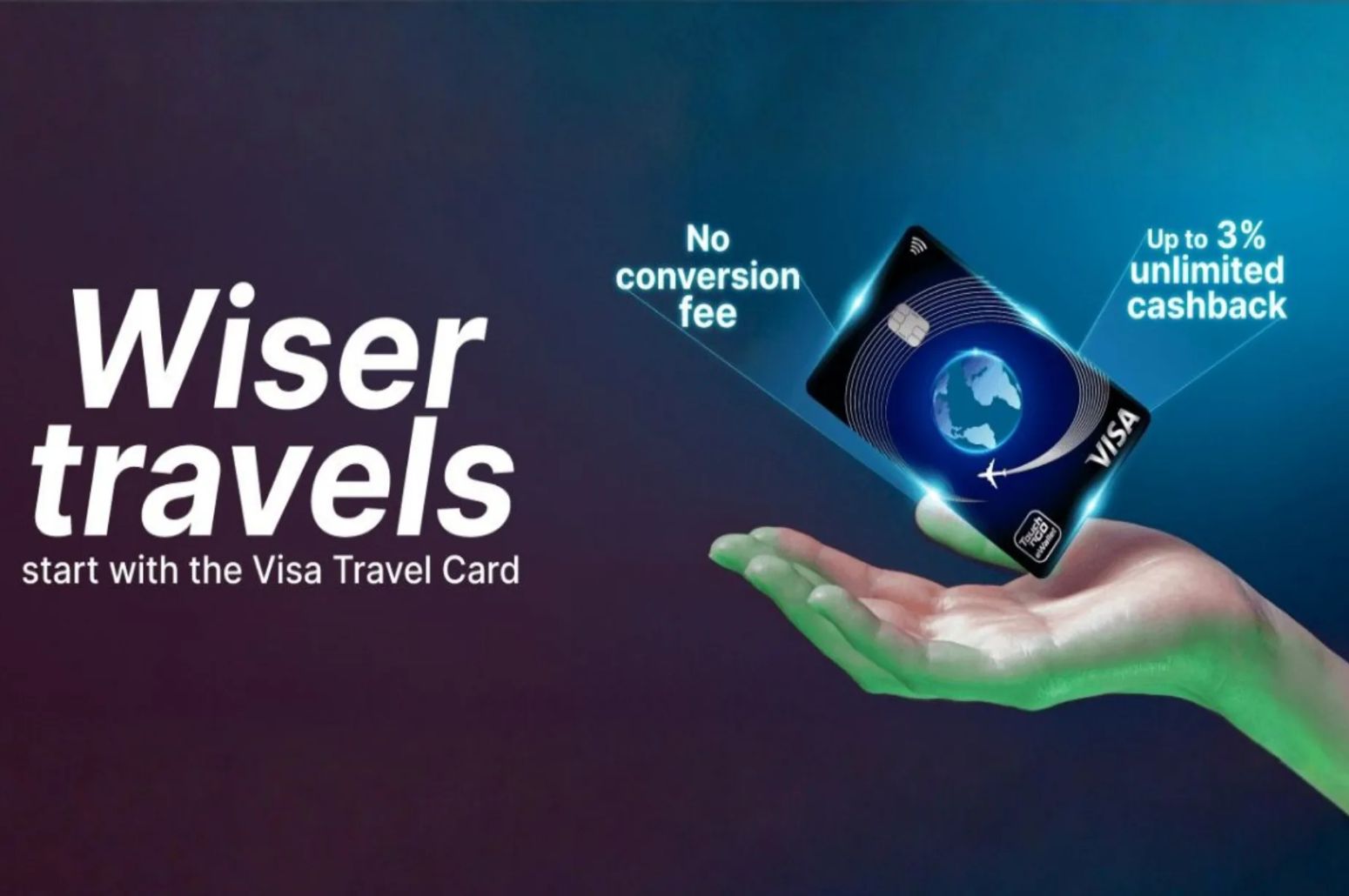
A prepaid Visa card linked straight to your Touch ‘n Go eWallet balance, so the money you already top up now works overseas too. The draw is no conversion fee plus a cashback campaign offering up to 3% back on overseas spend (on qualifying transactions — check current terms, as it runs in campaign windows). It’s numberless with in-app locking, and strong across Japan, Thailand, Korea and Taiwan.
App: Touch ‘n Go eWallet
Best for: Asia trips and existing TNG users who want cashback with zero conversion fee.
4. Maybank Global Access (via MAE) — best mainstream bank option
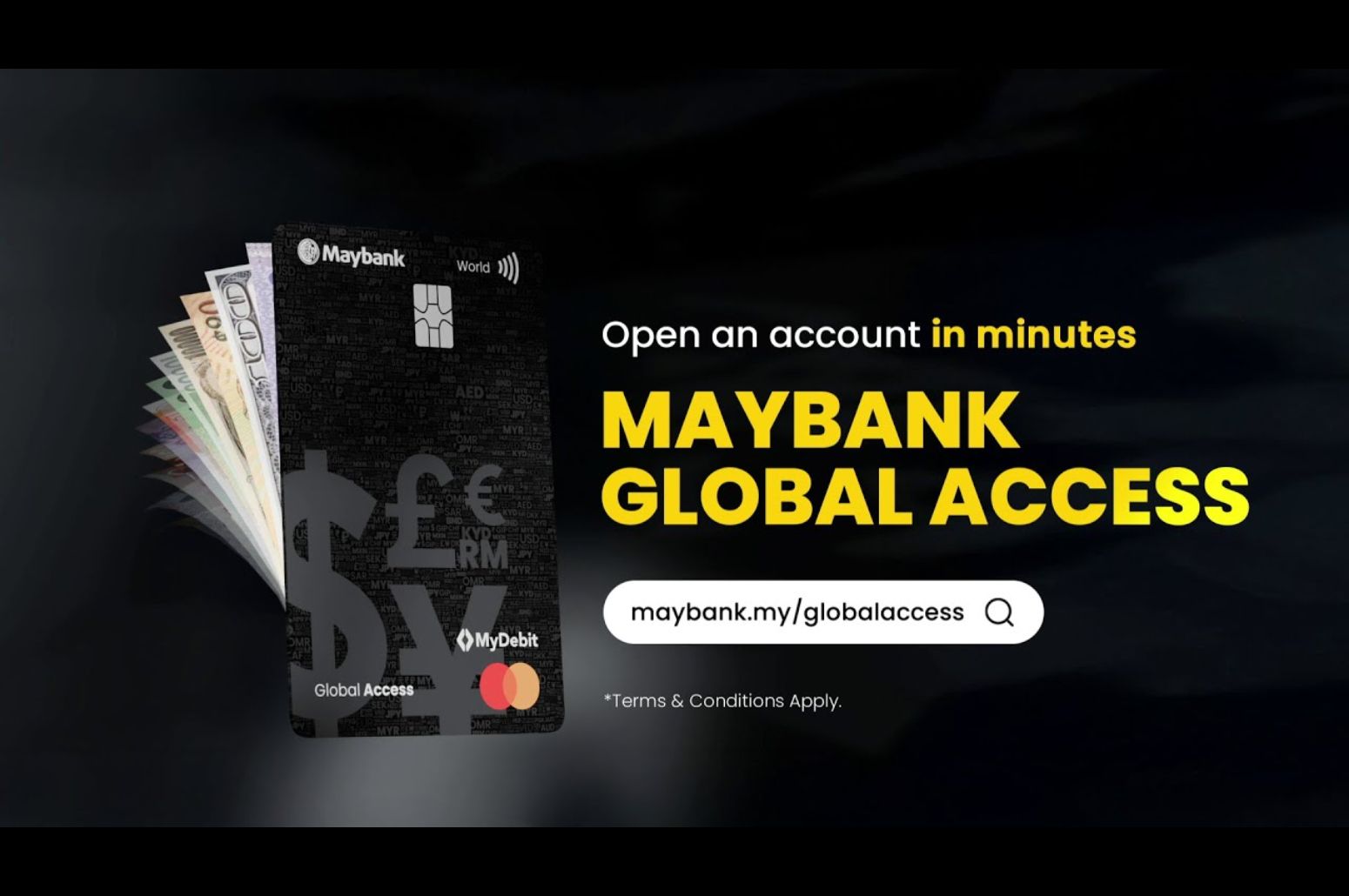
Billed as Malaysia’s first Mastercard World Debit Card, Maybank Global Access lets you hold and exchange around 18 currencies and convert them instantly in the MAE app at preferential rates — so you can lock in a rate before you fly. For the millions of Malaysians already banking with Maybank, it’s the path of least resistance: no new provider, no branch visit, opened in minutes in an app you already use, with travel and lifestyle perks and some fee-free withdrawals attached. Maybank also runs themed debit cards beyond travel — football fans can check out the Maybank Manchester United debit card.
App: Maybank MAE
Best for: Existing Maybank and MAE users who want multi-currency spending without signing up for a separate fintech.
5. Merchantrade Money — best for wide currency coverage and cash top-ups
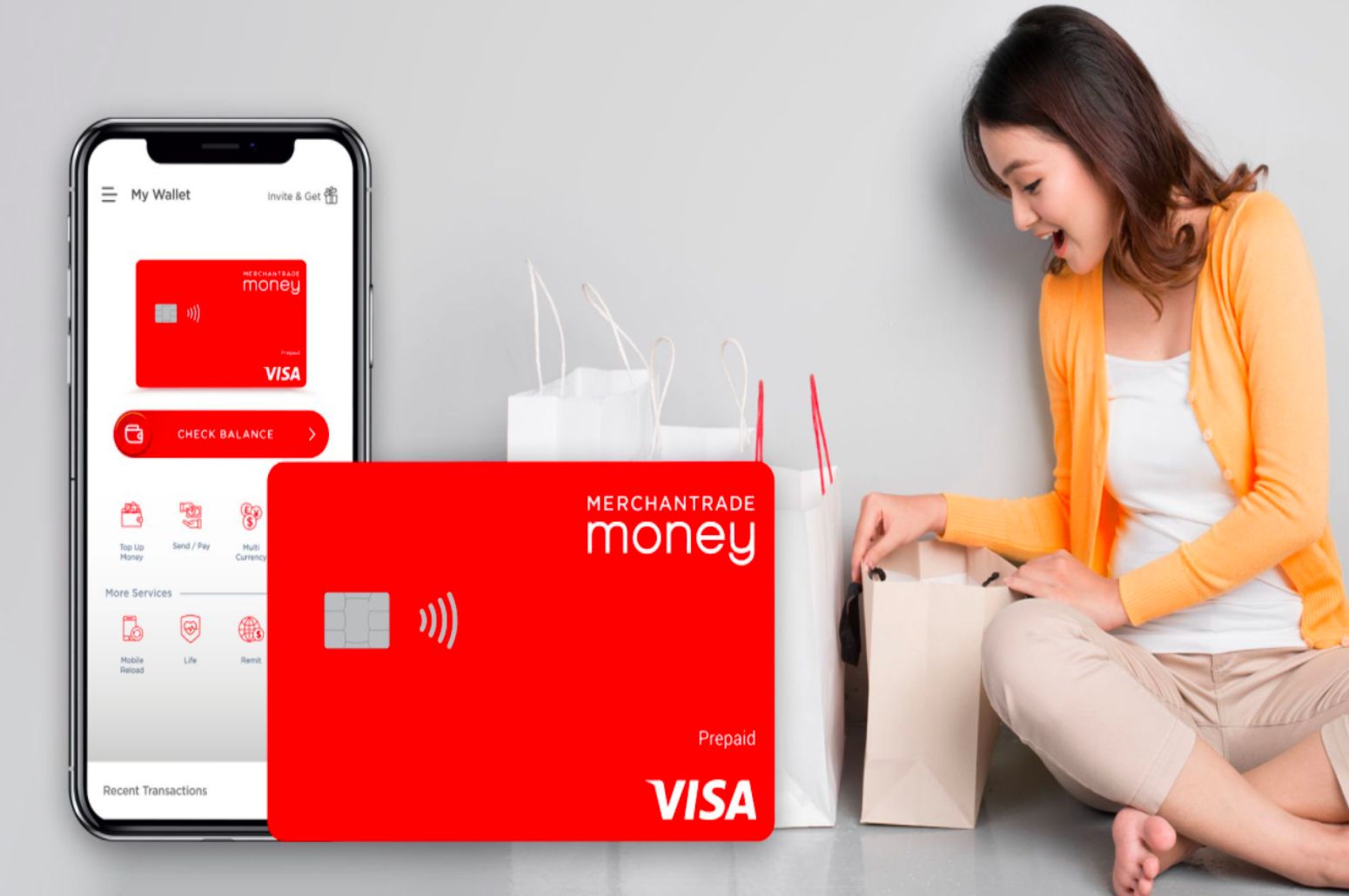
A homegrown favourite and a licensed money-services business, Merchantrade Money is a multi-currency prepaid Visa e-wallet that holds 20+ currencies at money-changer rates — typically better than traditional bank rates, with only a small markup over the mid-market rate. Its edge over pure fintechs is flexibility: you can top up by FPX online or with cash at Merchantrade branches and agents nationwide, and send remittances home from the same app. Card issuance and annual fees are low.
App: Merchantrade Money
Best for: Travellers who want the widest currency coverage, cash top-up options, and remittance built in.
6. BigPay — best for AirAsia flyers and budgeting
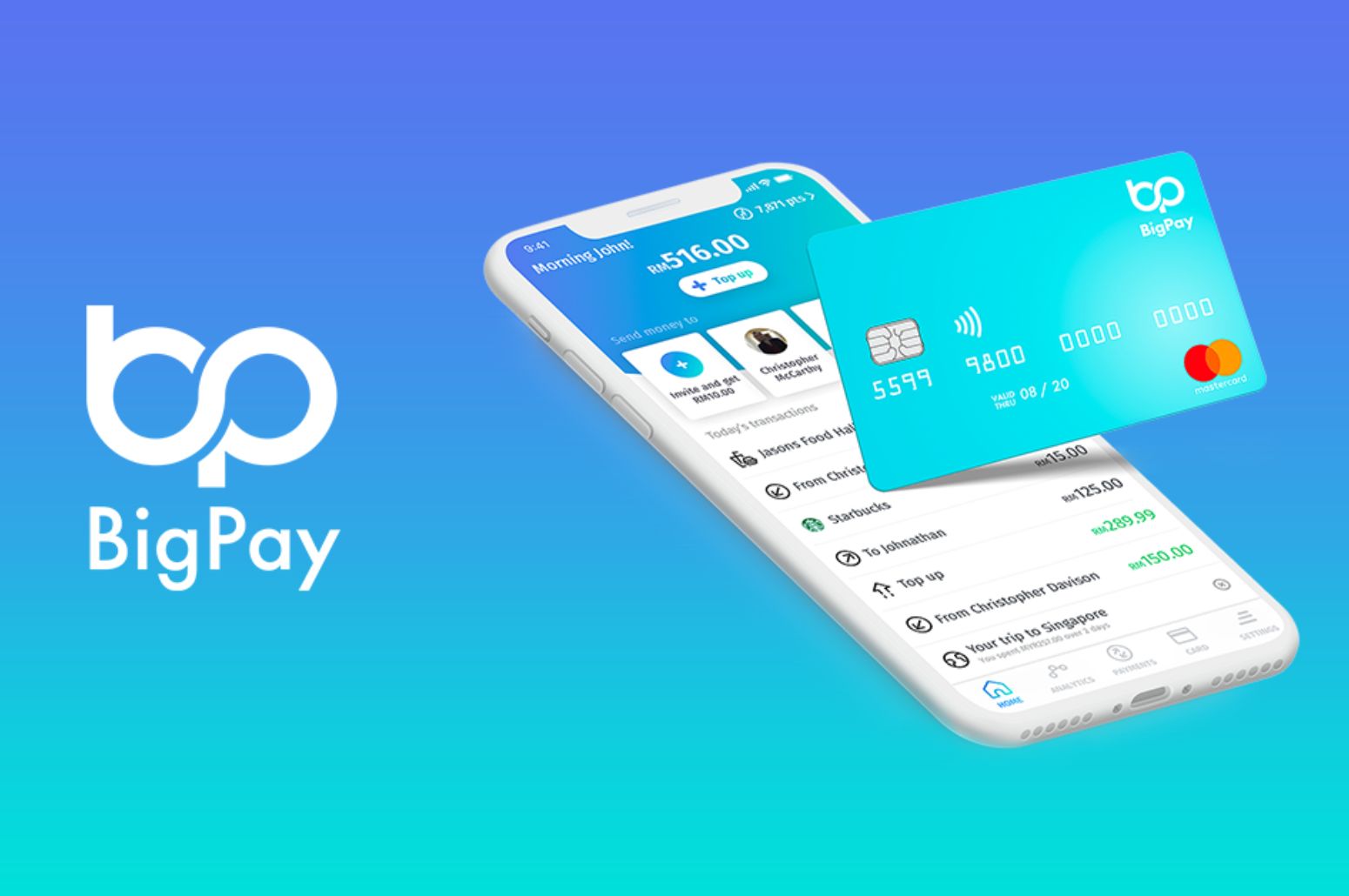
A licensed Malaysian e-wallet with a linked Visa or Mastercard, a relatively low foreign transaction fee (around 1%), and smart spending controls. Because it’s prepaid and separate from your main bank account, it’s secure and keeps you from blowing the holiday budget. Bonus: it earns AirAsia points as you spend.
App: BigPay
Best for: AirAsia flyers and strict budgeters who want a preloaded card they can’t overspend on.
7. RHB Multi-Currency Visa Debit Card — best bank-backed option
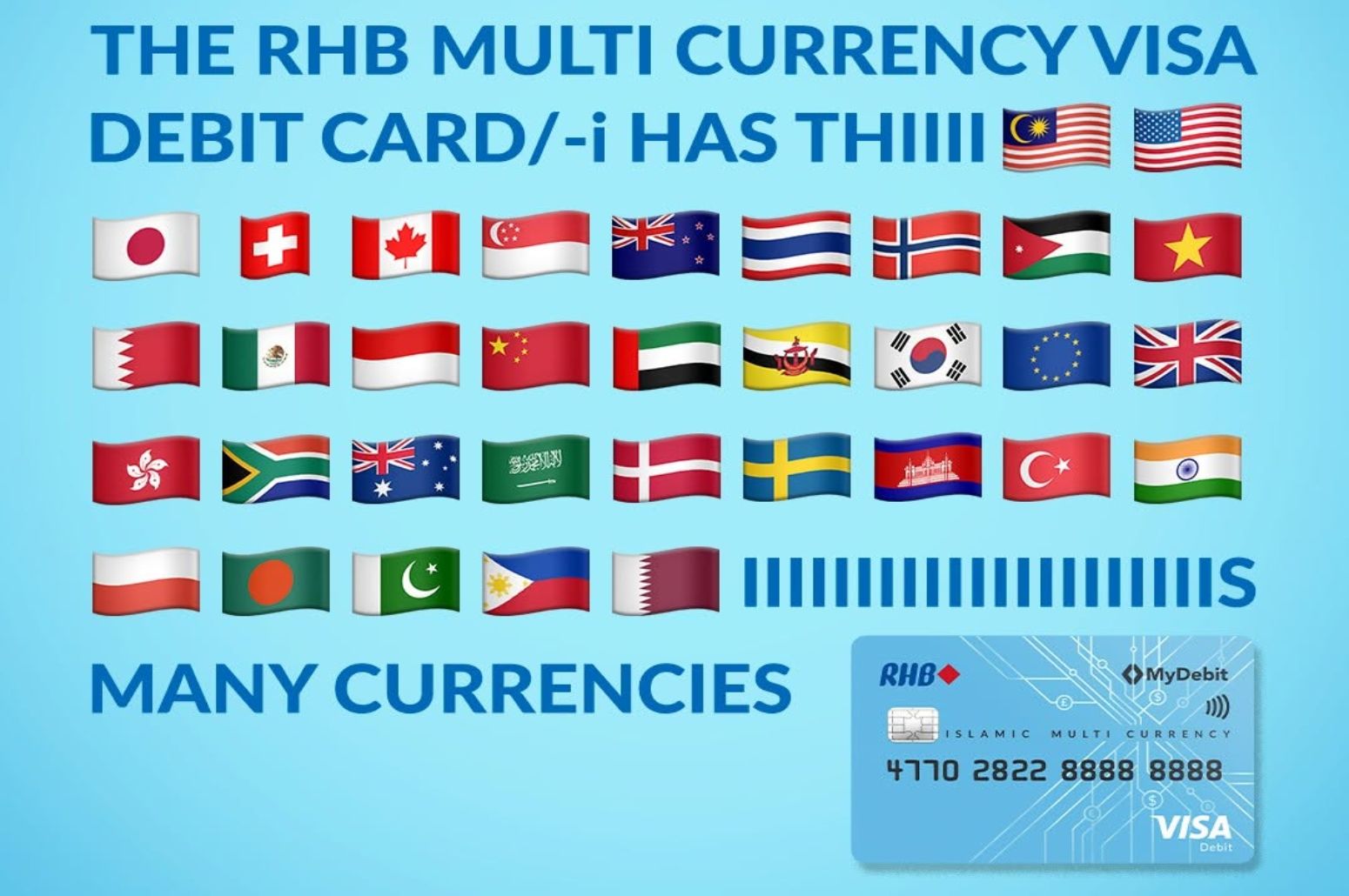
For travellers who like a traditional institution behind their money. It holds around 32 currencies with no conversion fee on supported ones, letting you buy foreign currency in advance and lock in a rate you’re happy with. It sits inside RHB’s app, so it’s an easy add-on for existing customers.
App: RHB
Best for: Multi-currency flexibility with the comfort of a major bank, and pre-buying currency ahead of ringgit swings.
8. HSBC Everyday Global Debit Card — best for major global currencies
A traditional-bank multi-currency card supporting around 11 major currencies (USD, GBP, EUR, SGD, AUD and more). Ideal if you want a familiar global bank, easy switching between held currencies, and a debit card that works cleanly abroad. It rewards existing HSBC customers most.
App: HSBC Malaysia
Best for: Holding and spending the big global currencies with an established international bank.
9. GoPayz (U Mobile) — best for China and UnionPay coverage
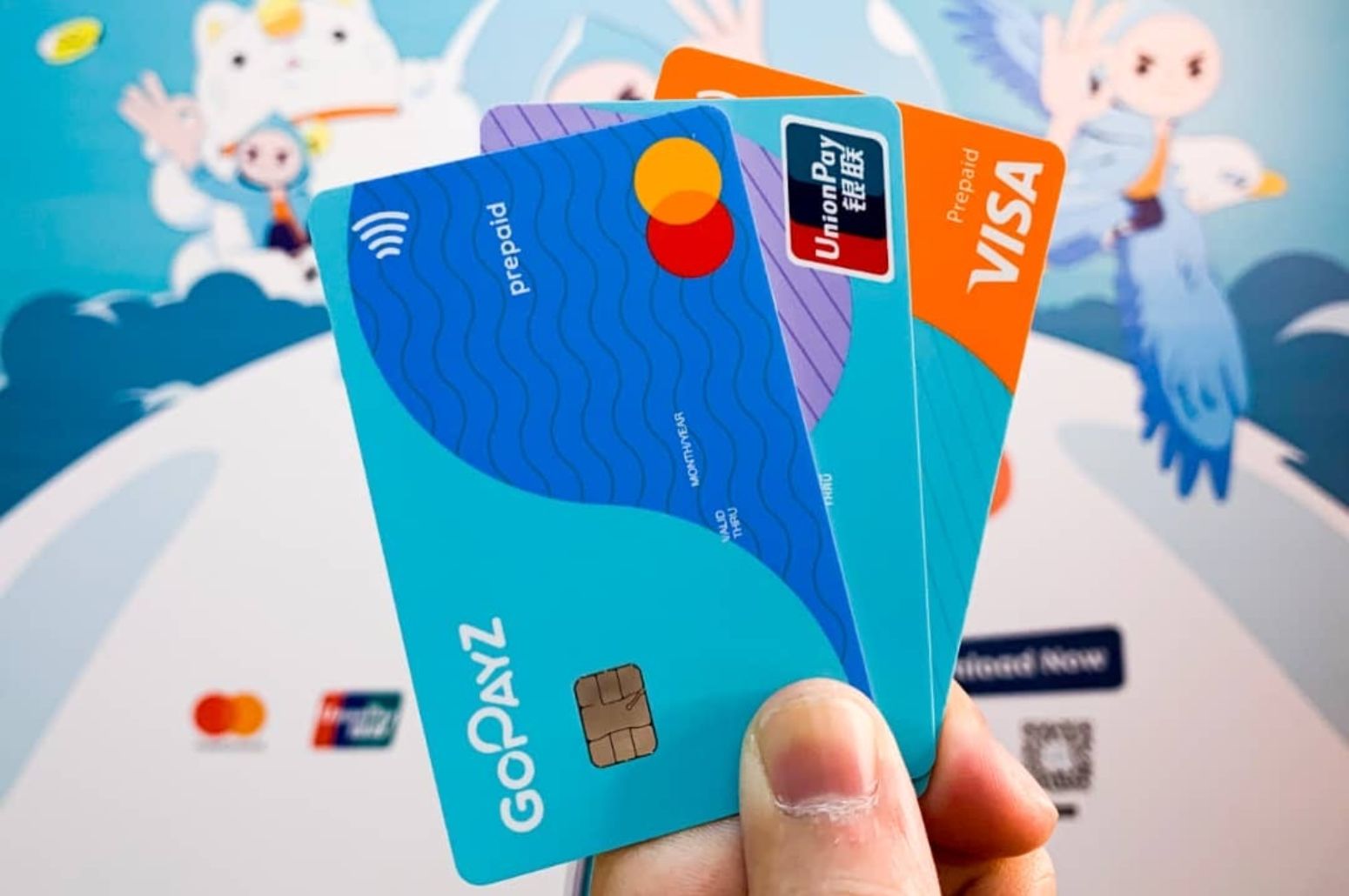
The wildcard that solves a specific problem: card acceptance in China. On registration GoPayz gives you three virtual cards — Visa, Mastercard and UnionPay — where most wallets give you one. That UnionPay coverage matters at the many China merchants that don’t take Visa or Mastercard. Overseas transactions carry a 1% service fee on top of the card rate.
App: GoPayz
Best for: China trips and anyone who wants the widest merchant coverage across all three networks in one app.
At-a-glance comparison
| Card | Type | Overseas FX cost | Rewards | Best for |
|---|---|---|---|---|
| Wise | Multi-currency debit | Mid-market rate, low fee, no markup | None | Best exchange rate & global reach |
| GXBank | Digital-bank debit (Mastercard) | Real Mastercard rate; low fee (~1.2%, check waiver) | Savings interest | Everyday + travel in one |
| TNG Visa Travel Card | Prepaid (linked to TNG eWallet) | No conversion fee | Up to 3% overseas cashback (campaign) | Asia trips + cashback |
| Maybank Global Access | Bank multi-currency debit (Mastercard World) | Competitive on ~18 held currencies | Islamic profit + travel perks | Existing Maybank / MAE users |
| Merchantrade Money | Multi-currency prepaid (Visa) | 20+ currencies at money-changer rates (small markup) | None | Wide currency coverage + cash top-up |
| BigPay | Prepaid (Visa/Mastercard) | ~1% foreign transaction fee | AirAsia points | AirAsia flyers + budgeting |
| RHB Multi-Currency | Bank multi-currency debit | No conversion fee (supported currencies) | None | Bank-backed multi-currency |
| HSBC Everyday Global | Bank multi-currency debit | Competitive on ~11 held currencies | Varies by account tier | Major global currencies |
| GoPayz | E-wallet + virtual cards | ~1% service fee | Occasional promos | China / UnionPay coverage |
Bonus: Alipay+ and QR wallets — essential for China
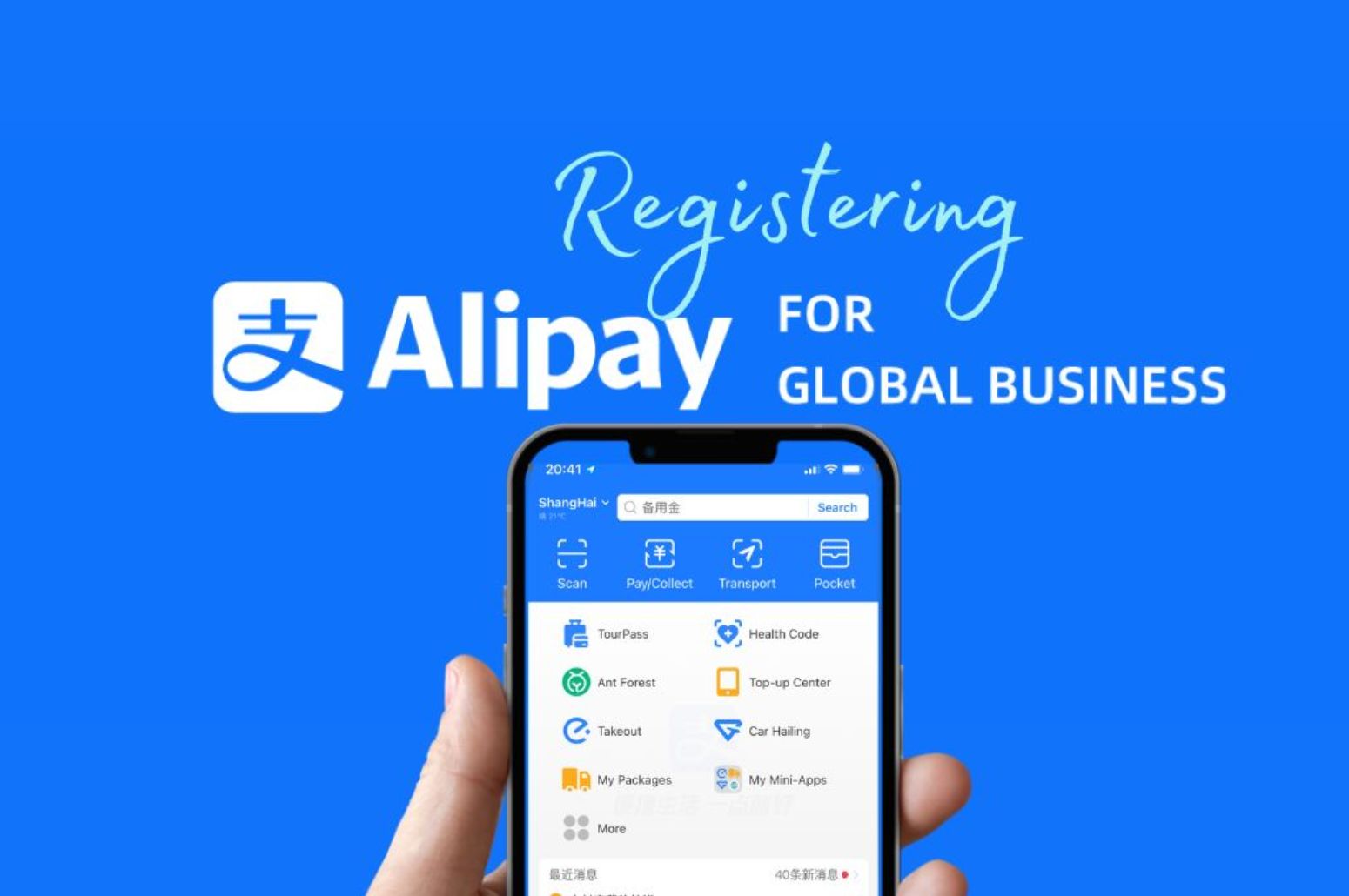
One thing no travel card fully solves on its own is China. Card acceptance there is famously low — most shops, street stalls and even metro gates only take QR wallets like Alipay or WeChat Pay. So for a China trip, a QR wallet isn’t optional; it’s your main way to pay. The good news for Malaysians is you have two easy routes, and you may already be set up for one.
- Use your Touch ‘n Go eWallet via Alipay+. TNG was the first Malaysian wallet accepted in mainland China. At any shop showing the Alipay or 支付宝 QR, just open TNG and scan — you pay in ringgit, it converts to RMB at the Alipay+ rate, and TNG adds roughly a 1% overseas conversion fee. The same Alipay+ network also works in Japan, South Korea, Thailand and more, so one wallet covers much of Asia with no separate app needed.
- Or download the Alipay app and bind a card. Foreign visitors can register Alipay with a passport and link an international Visa or Mastercard — no Chinese bank account required. As a rough guide, small transactions (around RMB 200 or less) carry no extra platform fee, while larger ones attract about a 3% service fee. Prepaid “Tour Pass” style options exist too.
Smart setup: keep TNG (via Alipay+) as your everyday tap in China, add the Alipay app with a bound card as backup for bigger payments, and consider WeChat Pay as a spare. Always carry a little RMB cash for the rare merchant that takes neither.
App: Alipay
How to use these cards smartly overseas
- Carry two, not one. Pair a low-fee spending card (Wise or GXBank) with a prepaid backup (TNG or BigPay) in case one isn’t accepted.
- Always pay in the local currency. When a terminal asks “pay in MYR or local currency?”, choose local — picking ringgit triggers dynamic currency conversion at a terrible rate that wipes out your savings.
- Load or convert before you go if you’re watching the ringgit, using a multi-currency card to lock in a rate.
- Mind ATM fees. Most cards give one or a few fee-free overseas withdrawals, then charge — withdraw larger amounts less often.
When a traditional travel credit card still wins
To be fair to the cards you originally searched for: a proper travel credit card is still the better tool if you spend heavily and want to be rewarded for it. The perks a multi-currency card can’t match include air miles that convert into flights (Enrich, KrisFlyer, Asia Miles), complimentary airport lounge access, and built-in travel insurance when you pay for your trip with the card. If that’s you, look at the established travel credit cards from CIMB, HSBC, UOB and Maybank — and ideally carry one of those and a multi-currency card, using each for what it does best.
Frequently asked questions
What is the best travel credit card in Malaysia?
It depends on your goal. If you want air miles, lounge access and insurance, established travel credit cards from CIMB, HSBC, UOB or Maybank lead the pack. But if your goal is simply to spend overseas without the 1%–3% markup, a multi-currency or prepaid card like Wise, GXBank or the TNG Visa Travel Card will usually save you more real money.
Are Wise and GXBank actually credit cards?
No — they’re debit cards linked to money you already hold, not credit lines. That’s precisely why they’re cheaper for travel: no interest, low or no fees, and near-real exchange rates. If you specifically need credit (to defer payment or earn miles), you’ll still want a traditional travel credit card alongside them.
Do these cards charge foreign transaction fees?
Much less than ordinary cards. Wise uses the mid-market rate with a low fee; the TNG Visa Travel Card advertises no conversion fee; GXBank, BigPay and GoPayz sit around 1% to 1.2%. Ordinary Malaysian credit and debit cards typically add 1% to 3% on top of the network rate.
Which card is best for spending in Japan, Thailand or Korea?
The TNG Visa Travel Card is a strong all-rounder across Asia thanks to wide acceptance and cashback, while Wise gives you the best rate almost anywhere. For China specifically, GoPayz adds UnionPay coverage that Visa and Mastercard cards can lack.
Do I need Alipay to travel in China?
Effectively, yes. Most merchants in China accept only QR wallets like Alipay or WeChat Pay, and card acceptance is limited. The easiest option for Malaysians is to pay with your existing Touch ‘n Go eWallet through the Alipay+ network, or to download the Alipay app and link an international Visa or Mastercard. Keep some RMB cash as a backup.
Fees, cashback rates, promo waivers and currency support change often and were accurate at the time of writing. Always confirm current details in each provider’s app or website before applying or travelling.
You might also like
 Post
ECRL Transit & Express Stations: Travel Time, Trains & Seat Classes
Table of Contents Transit vs Express: What Is the Difference? ECRL Express Stations ECRL Transit Stations Which Service…
 Post
Theme Parks to Visit in Malaysia 2026: 14 Picks + Prices
Table of Contents Quick Pick: Which Park Suits You? Theme Parks in KL and Selangor 1. Sunway Lagoon…
 Post
Merdeka 118 Finally Opens Its Doors on 1 November
Table of Contents 1. The Short Answer 2. Why Has It Taken So Long? 3. What Opens on…